


The psychology of gambling Understanding the thrill and risk dynamics
The psychology of gambling Understanding the thrill and risk dynamics
The Allure of Gambling
The psychology behind gambling is deeply rooted in the thrill it provides. The anticipation of winning creates a rush of adrenaline, which many find irresistible. This thrill can be likened to other risk-taking behaviors, where individuals seek excitement through uncertainty. For instance, many choose to explore options like no kyc crypto casino as part of their gaming adventures. Whether it’s the spin of a roulette wheel or the roll of dice, each moment is filled with potential for both victory and loss.

Moreover, gambling often triggers the brain’s reward system. When a person wins, dopamine is released, reinforcing the behavior and making it more likely they will return for another round. This cycle of excitement and reward can lead to a compelling desire to continue gambling, regardless of the risks involved.
The Role of Cognitive Biases
Cognitive biases play a significant role in how individuals perceive gambling risks. For instance, the illusion of control can lead players to believe they can influence the outcome of games based on skill or strategy, despite the inherent randomness. This overconfidence often drives them to gamble more, as they underestimate the true odds of winning.
Another common bias is the gambler’s fallacy, where players mistakenly believe that past outcomes will influence future results. For example, if a player has lost several hands in a row, they may feel that a win is “due.” This misinterpretation of probability can lead to an increase in betting, often resulting in greater losses.
The Impact of Environment and Social Factors
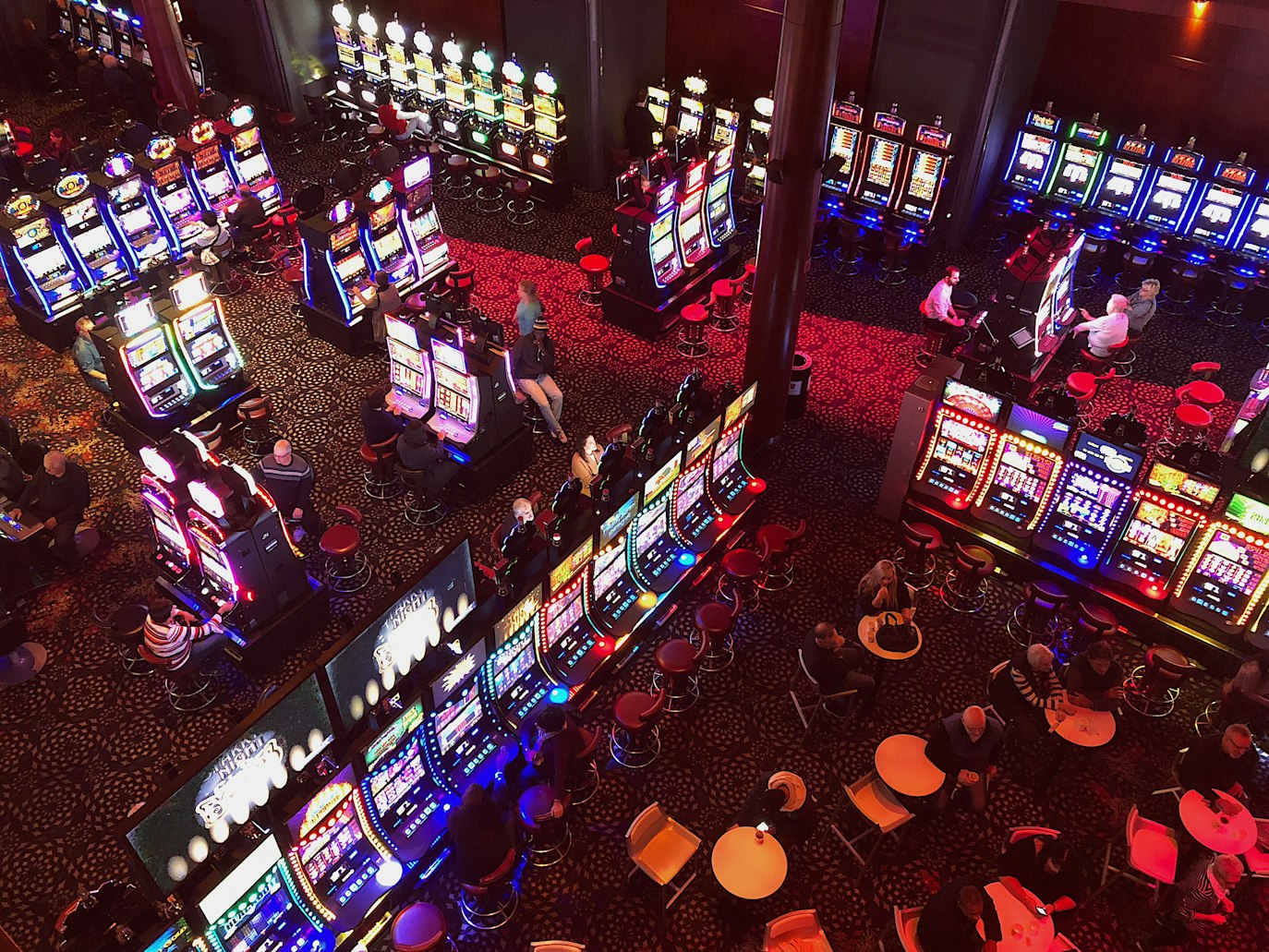
The environment where gambling takes place also influences behavior. Casinos are designed to maximize excitement and keep players engaged. Bright lights, enticing sounds, and free drinks contribute to an atmosphere that promotes extended play. This carefully crafted environment heightens the thrill but can also mask the potential for substantial losses.
Social factors, such as peer pressure and cultural attitudes toward gambling, can further affect an individual’s decisions. People are more likely to gamble if they are surrounded by friends or family who participate. This social dynamic can lead to a sense of belonging but may also encourage risky behavior, particularly among younger players who seek acceptance.
The Consequences of Gambling Behavior
While many people gamble for entertainment, the risk of developing problematic behavior is significant. Gambling can lead to financial ruin, strained relationships, and mental health issues such as anxiety and depression. The consequences are often compounded by the stigma surrounding addiction, making it difficult for individuals to seek help.
Understanding the psychology behind gambling can empower individuals to make more informed choices. Awareness of cognitive biases, environmental influences, and social pressures can help mitigate the risks associated with gambling and encourage responsible play.
Ensuring a Safe Online Gambling Experience
For those interested in exploring the world of online gambling, it’s crucial to choose platforms that prioritize safety and security. Websites like Ravenszone.net provide a secure environment for users, ensuring protection from potential online threats. This level of security can enhance the overall gambling experience, allowing players to focus on entertainment rather than worry.
As technology advances, the importance of a secure online experience cannot be overstated. By utilizing advanced security measures and offering clear guidelines, platforms can help users navigate their gambling adventures safely. With a responsible approach, individuals can enjoy the thrill of gambling while minimizing risks.


Leave a Reply